-
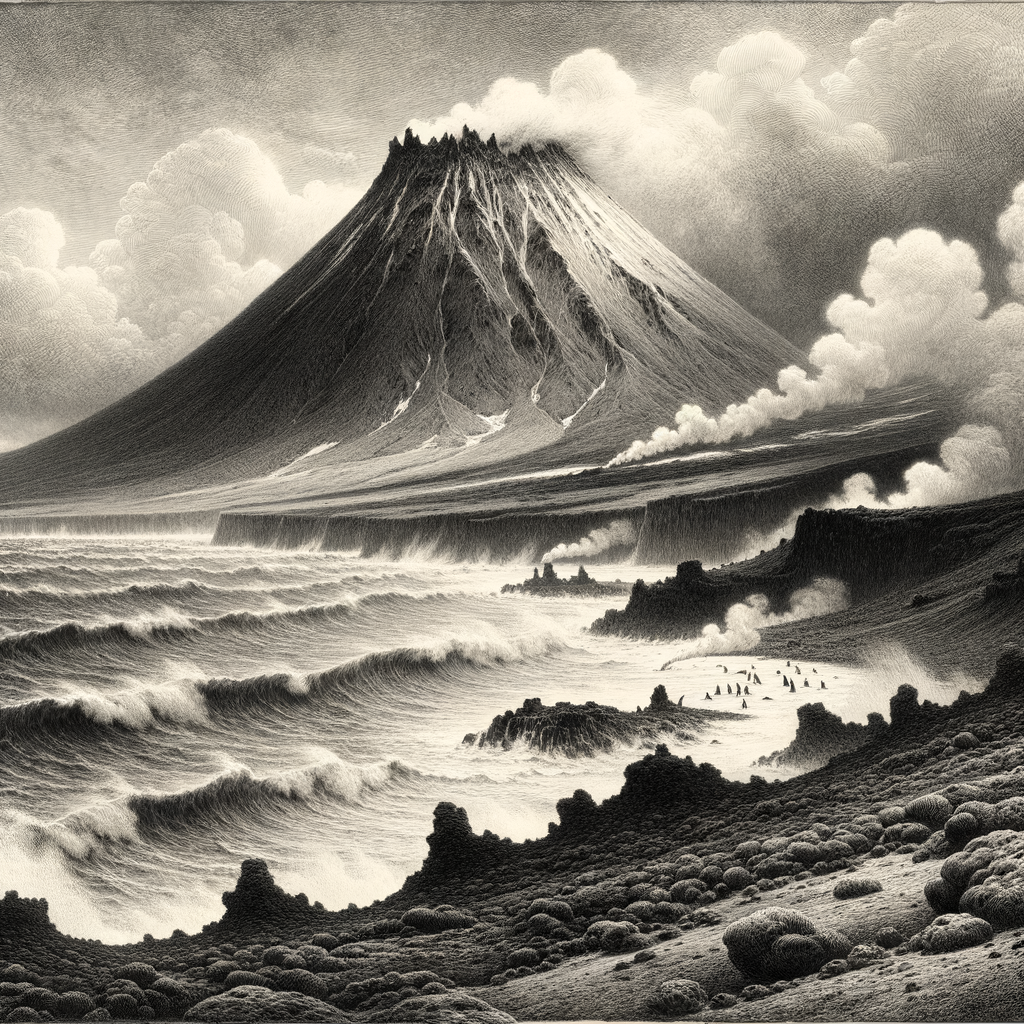
Beneath ash and wind, Zavodovski Island teems with life
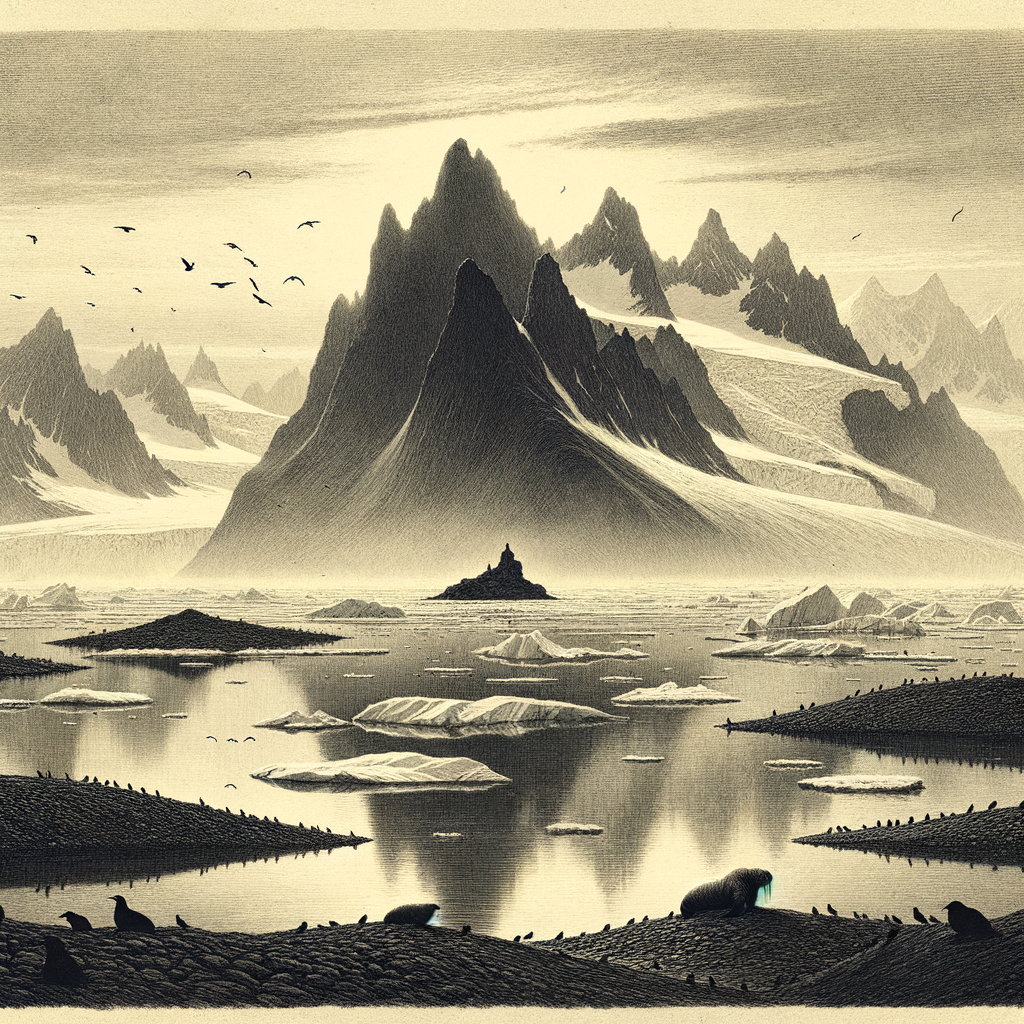
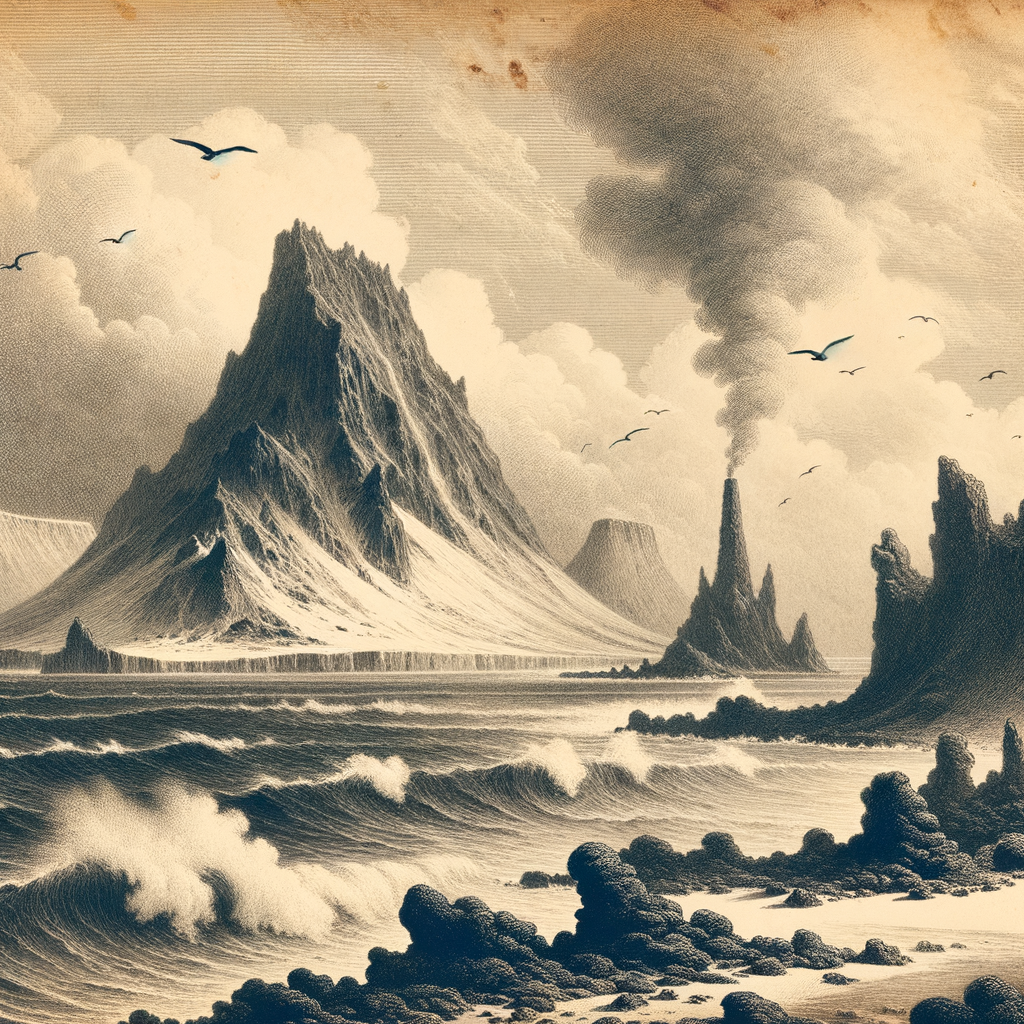
Black volcanic slopes rise from the Southern Ocean with an abruptness that feels almost theatrical, as if a curtain of mist had opened for a moment and revealed a stage still in the act of making itself. Zavodovski Island, the northernmost of the South Sandwich Islands, lies in one of the loneliest stretches of sea…
-

When glaciers relent, Wrangel Island becomes a diplomatic crucible
Long before most people ever saw it, sailors argued over whether it was there at all. In the high Arctic between the East Siberian and Chukchi seas, north of Chukotka and well above the Siberian mainland, Wrangel Island spent decades as a rumor on the horizon: a dark line glimpsed through weather, then lost again…
-
After nuclear tests, Johnston Island charts unexpected ecological revival
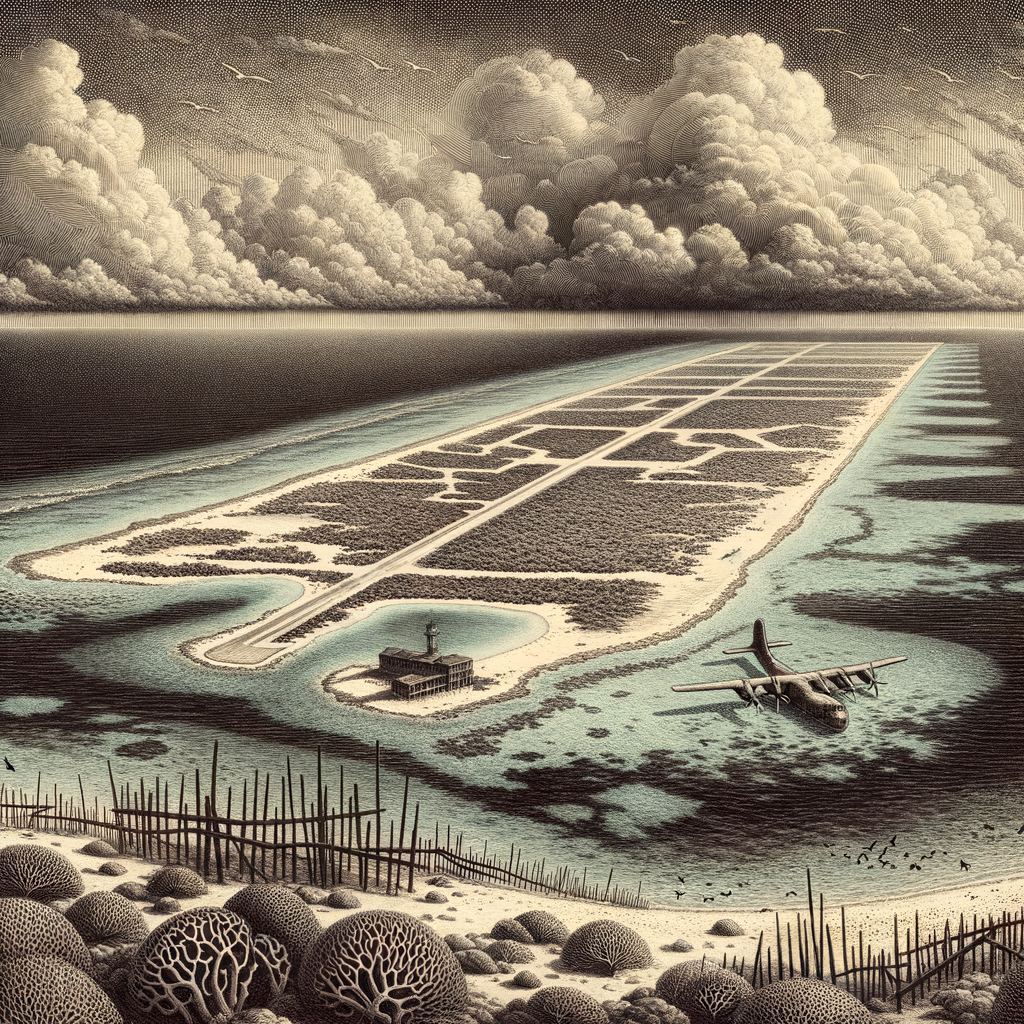
Few specks of land have carried a burden as strange as this one: a low coral outpost in the North Pacific, far from any continent, repeatedly remade by military purpose and then left to weather the memory of it. Johnston Island lies roughly 860 miles southwest of Hawaiʻi, part of the United States Minor Outlying…
-
Field notebooks and ice cores unlock the past of Peter I Island
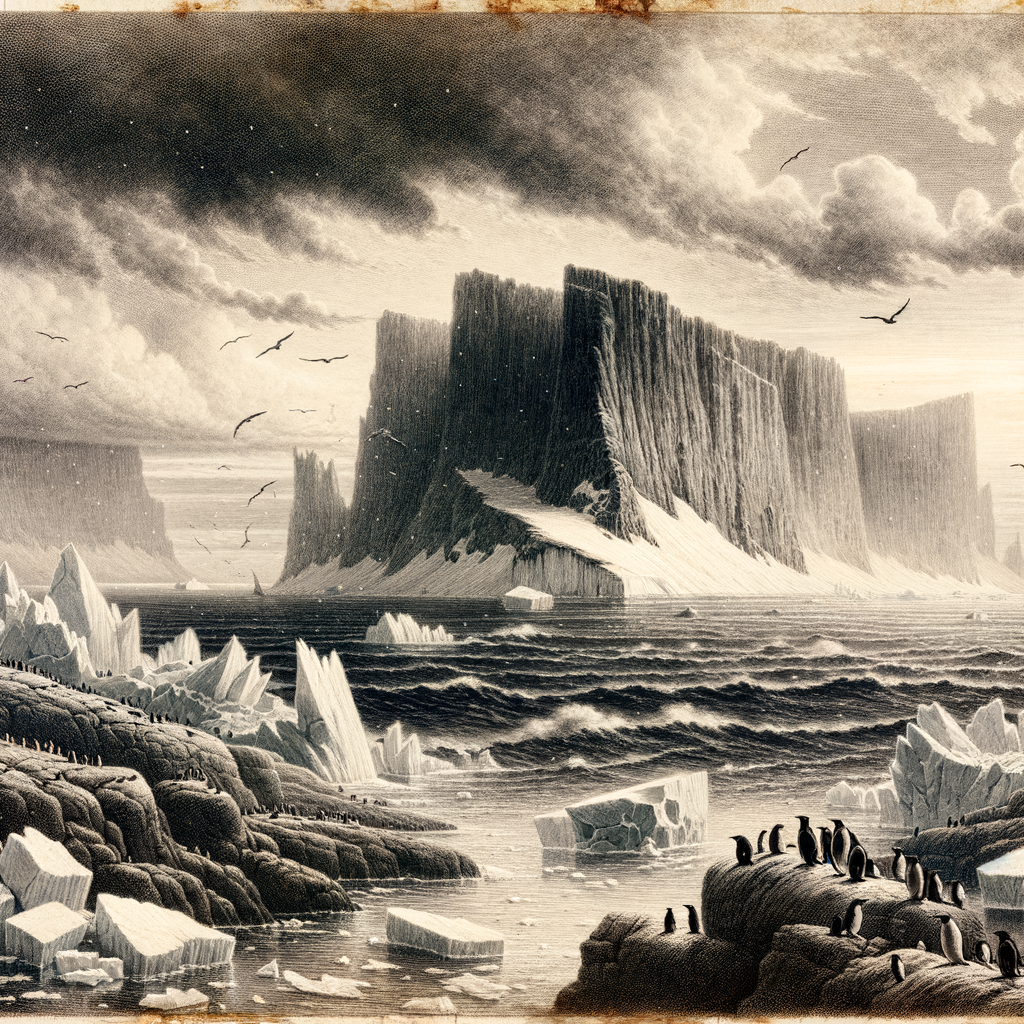
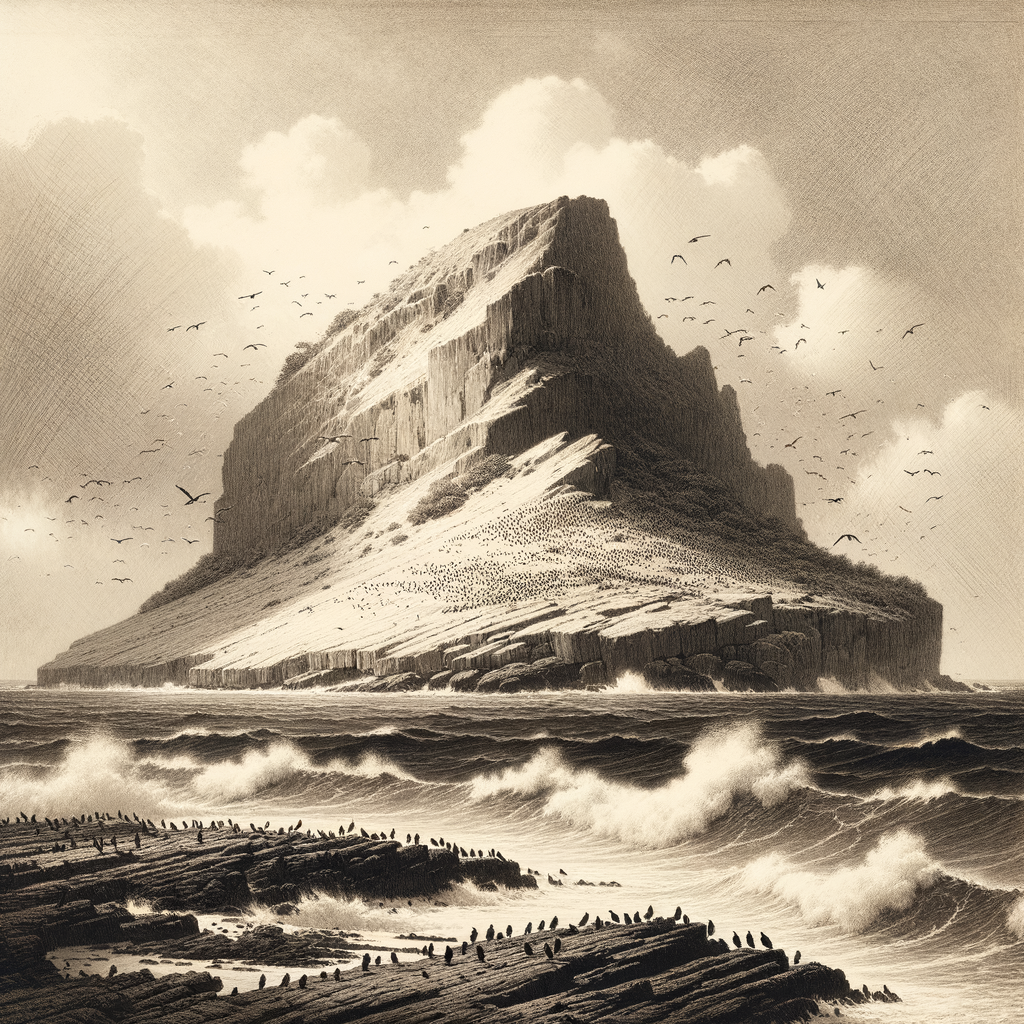
A black volcanic mass rises from the Bellingshausen Sea with the abruptness of something not meant for company. Peter I Island lies off the coast of Antarctica, far from regular shipping lanes and farther still from any ordinary idea of an island as refuge. What appears on a map as a compact shape is, in…
-
Tracing the quiet transformation of Surtsey into habitat
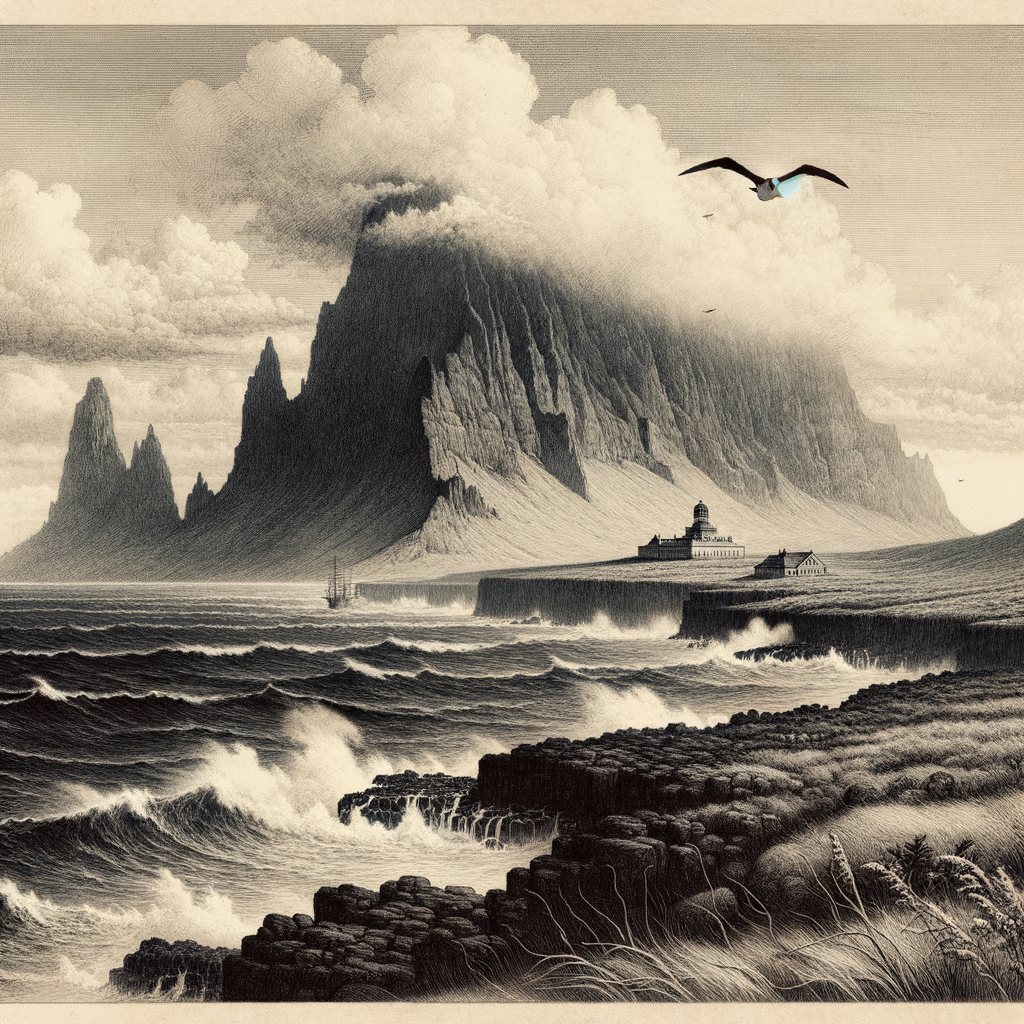
It began as an argument between fire and water, witnessed in real time. In November 1963, south of Iceland in the Vestmannaeyjar archipelago, the North Atlantic heaved, darkened, and broke open. Columns of ash and steam climbed into the winter sky as a submarine eruption forced its way above the surface, building land where there…
-
Coral resurgence and legacy debris complicate Jarvis Island recovery
Nothing about this place invites arrival. A low strip of coral and rubble breaks the Pacific almost on the Equator, far south of Hawaii and far from regular sea lanes, without a harbor, without fresh water, without even the dramatic relief that helps many remote islands announce themselves. Jarvis Island is difficult to see, difficult…
-
A fragile ecosystem on Moffen Island reveals Arctic resilience
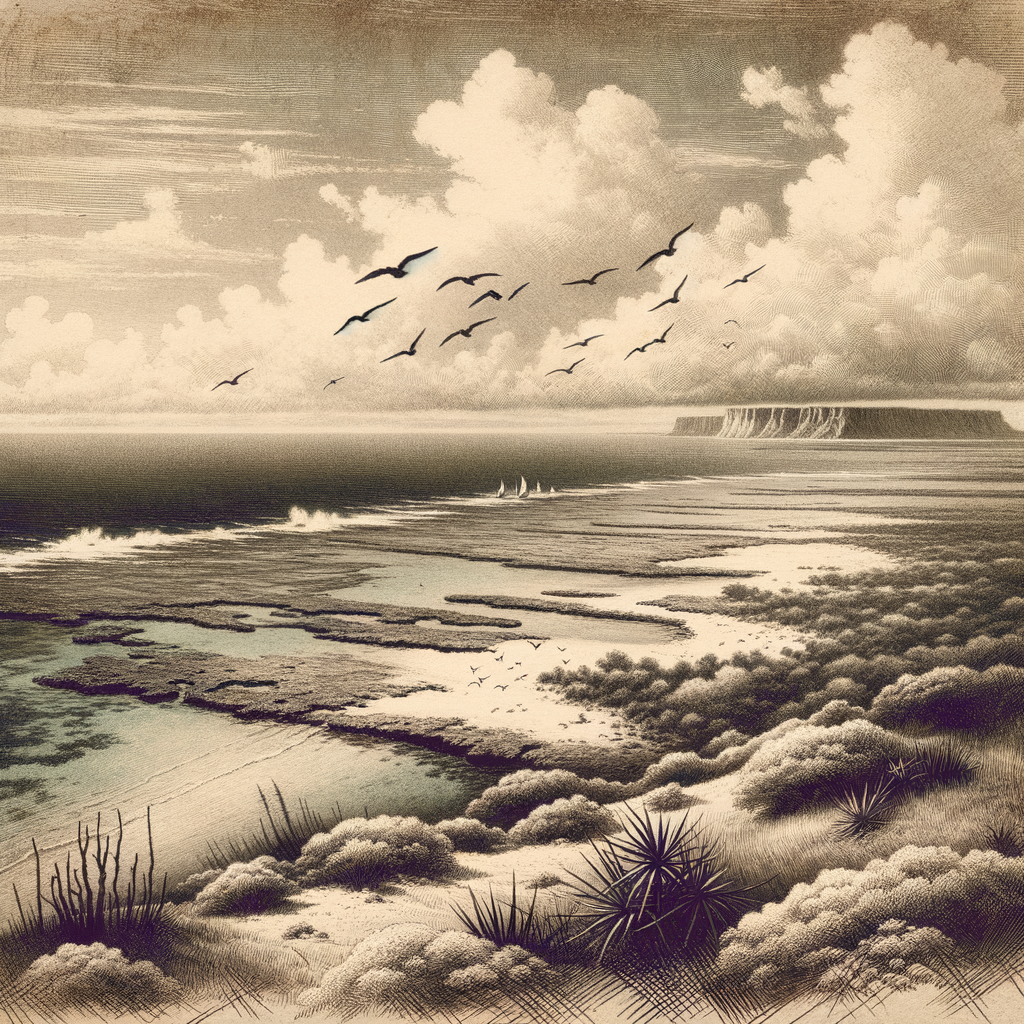
At the far northern rim of the Svalbard archipelago, where charts begin to look spare and the sea behaves like weather more than water, Moffen Island lies as a low ring of sand and shingle beyond 80 degrees north. It is less a dramatic landmass than a pale interruption in the Arctic Ocean: flat, exposed,…
-
Shipwrecks, scientists and stubborn horses define Sable Island life
Out in the northwest Atlantic, where fog can erase the horizon and storms arrive with almost theatrical force, there lies a ribbon of sand so narrow and low that it seems less an island than a hesitation in the sea. Sable Island, about 300 kilometres southeast of Nova Scotia, is famous for looking temporary and…
-
How seabirds reshaped McKean Island and its future
A white shard in the Central Pacific Far out in the central Pacific, where charts seem to empty into pure distance, McKean Island lies low and hard under the sun: a small, raised coral island in the Phoenix Islands of Kiribati, with no trees, no fresh water, no harbor, and no permanent human life. It…
-
Amsterdam Island at the Edge of the Empty Sea
Where the Indian Ocean narrows to wind and basalt Far from the sea lanes most maps teach us to notice, Amsterdam Island rises alone from the southern Indian Ocean, a dark volcanic outpost between Africa, Australia, and Antarctica. It belongs administratively to the French Southern and Antarctic Lands, yet it feels less like a possession…
-
Niʻihau and the Silence of Hawaii’s Forbidden Island
Beyond Kauaʻi, behind the curtain of distance From the western edge of the main Hawaiian chain, the island of Niʻihau lies in plain sight and almost entirely out of reach. It rises beyond the Kaulakahi Channel, about 27 kilometers southwest of Kauaʻi, a dry, wind-shaped landmass of roughly 180 square kilometers that appears, from a…
-
Napuka Island at the Edge of the Empty Pacific
A ring of coral in the far eastern Tuamotus Seen on a chart, it hardly seems possible that so much solitude can be compressed into such a small shape: a low coral atoll in the northeastern Tuamotu Archipelago of French Polynesia, far out in the open Pacific, where the ocean has room to gather its…